How to Protect Your Workplace Technology in 2026

The concept of the “workplace” has been fundamentally rewritten. In 2026, a business is no longer defined by four walls and a central server room; it is a sprawling, decentralized web of home offices, co-working spaces, and cloud-native applications. While this shift has unlocked unprecedented flexibility and talent access, it has also created a complex, multi-dimensional battlefield for security.

Protecting your workplace technology is no longer just an IT task—it is a core business strategy. As cyber threats become more sophisticated through the use of AI-driven automation, organizations must evolve from reactive defense to a posture of continuous resilience. This article explores the essential strategies to safeguard your professional tech ecosystem in the modern era.


The Rise of Agentic AI and the New Threat Landscape

The biggest shift in 2026 is the emergence of “Agentic AI” in the world of cybercrime. Unlike traditional malware, these are autonomous AI … Read more

Perfect Cell Phone: Beyond Hardware and into the AI Era

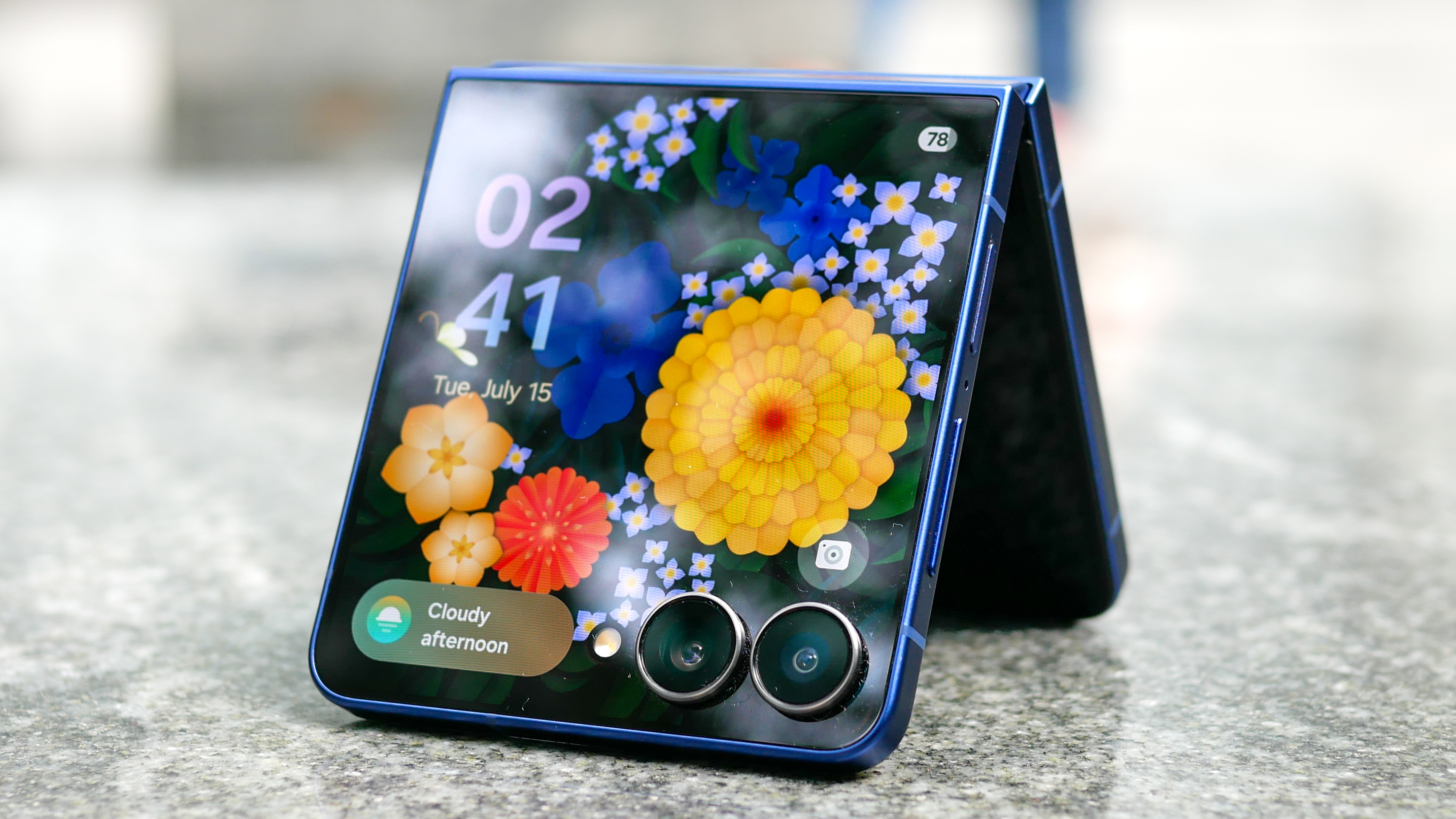
For decades, the search for the “perfect” cell phone was a race of numbers. We chased higher megapixel counts, faster processor clock speeds, and thinner chassis. However, as we move through 2026, the definition of perfection has shifted. The perfect phone is no longer just a powerful slab of glass and metal; it is a seamless, intelligent companion that anticipates needs, protects privacy, and lasts long enough to bridge the gap between our physical and digital lives.

Today’s flagship devices—such as the iPhone 17 Pro Max, the Samsung Galaxy S26 Ultra, and the Google Pixel 10 Pro—represent different philosophies of what “perfect” looks like. Achieving perfection in 2026 requires a delicate balance of four critical pillars: Intelligent Autonomy, Visual Mastery, Sustainable Endurance, and Personal Security.


Intelligent Autonomy: The Phone as a Personal Assistant

The most significant leap in recent mobile technology is the transition from reactive devices to proactive assistants. … Read more

A Guide to the Best PC Games in 2026

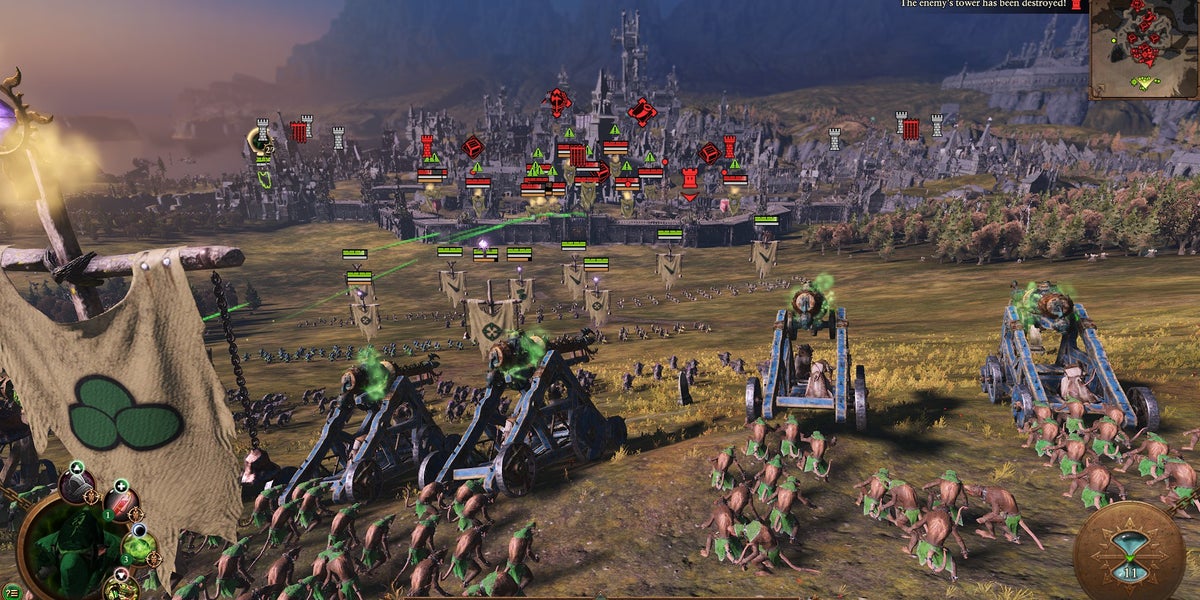
The landscape of PC gaming has undergone a massive transformation over the last few years. As we move deeper into 2026, the boundary between virtual reality and actual reality continues to blur, thanks to leaps in hardware capabilities and innovative game design. For the modern gamer, the PC remains the ultimate platform, offering a level of versatility, graphical fidelity, and modding potential that consoles simply cannot match.

Whether you are a fan of sprawling open worlds, intense tactical shooters, or thought-provoking role-playing games, the current library of titles is nothing short of breathtaking. This article explores the best PC games available today, ranging from freshly released masterpieces to timeless classics that still dominate the charts.


The Titans of the Open World

Open-world games have always been the crown jewels of PC gaming, and 2026 has seen some of the most ambitious releases in history. Leading the charge is Grand Theft Read more

The Art of Precision: Achieving the Perfect Cellphone Repair

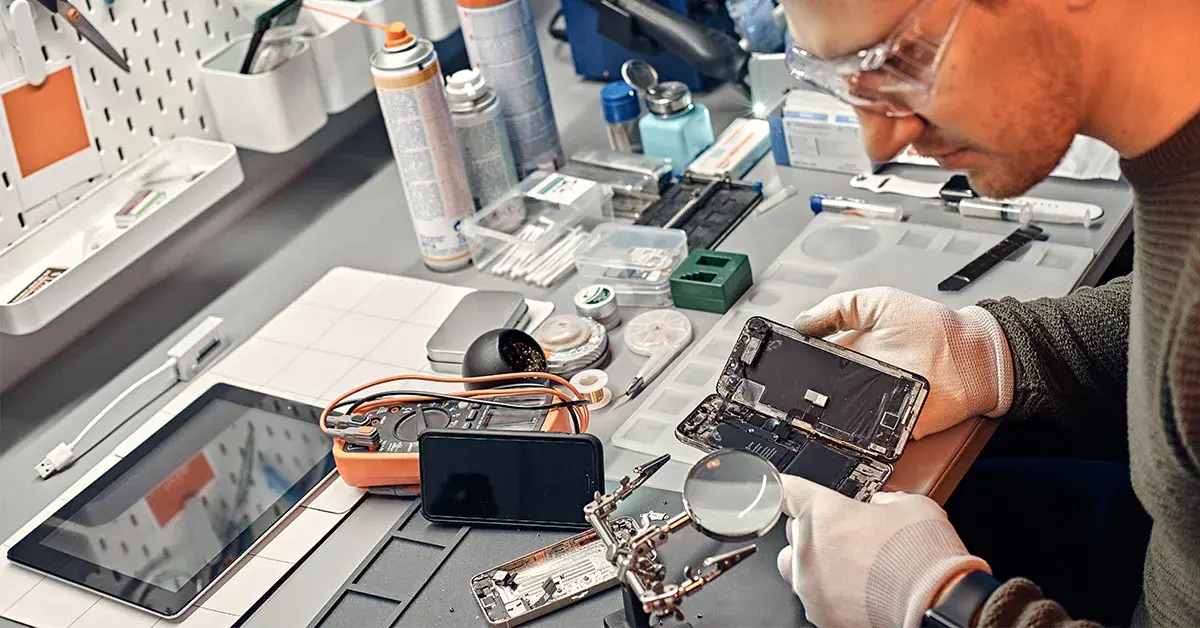
In an era where our smartphones are essentially digital extensions of our physical selves, a broken screen or a failing battery can feel like a genuine crisis. The demand for mobile device maintenance has given rise to a specialized industry, but not all fixes are created equal. Achieving a “perfect” cellphone repair—one that restores the device to its original factory standards. Requires more than just a screwdriver and a replacement part. It is a delicate blend of technical expertise, high-quality components, and a surgical-grade environment.

For the modern consumer, understanding what differentiates a mediocre patch-up from a professional-grade restoration is essential. This article explores the intricate world of mobile device repair. Focusing on the standards, tools, and methodologies required to achieve perfection.


The Anatomy of a High-Quality Repair

A cellphone is a marvel of micro-engineering. Within its slim chassis lies a complex ecosystem of logic boards, flex cables, and sensitive … Read more

The Binary Backbone: Distinguishing Computer Science from Computer Technology

In the modern digital age, the terms “Computer Science” and “Computer Technology” are often used interchangeably, yet they represent two fundamentally different, albeit deeply connected, aspects of the computing world. One is the theoretical bedrock—the pursuit of knowledge and algorithms—while the other is the practical application—the deployment and maintenance of the digital infrastructure we rely on daily. Understanding this distinction is crucial, not only for students charting their career paths but for anyone seeking to grasp the full scope of the technological revolution.

This article will explore the unique focus of each discipline, illustrate how they interact to drive innovation, and ultimately define their distinct roles in shaping our hyper-connected world.


Computer Science: The Theoretical Engine

Computer Science (CS) is, at its core, an academic and research-driven field. It is the study of computation, information, and automation. Computer scientists are not just coders; they are inventors of the Read more