For decades, the search for the “perfect” cell phone was a race of numbers. We chased higher megapixel counts, faster processor clock speeds, and thinner chassis. However, as we move through 2026, the definition of perfection has shifted. The perfect phone is no longer just a powerful slab of glass and metal; it is a seamless, intelligent companion that anticipates needs, protects privacy, and lasts long enough to bridge the gap between our physical and digital lives.
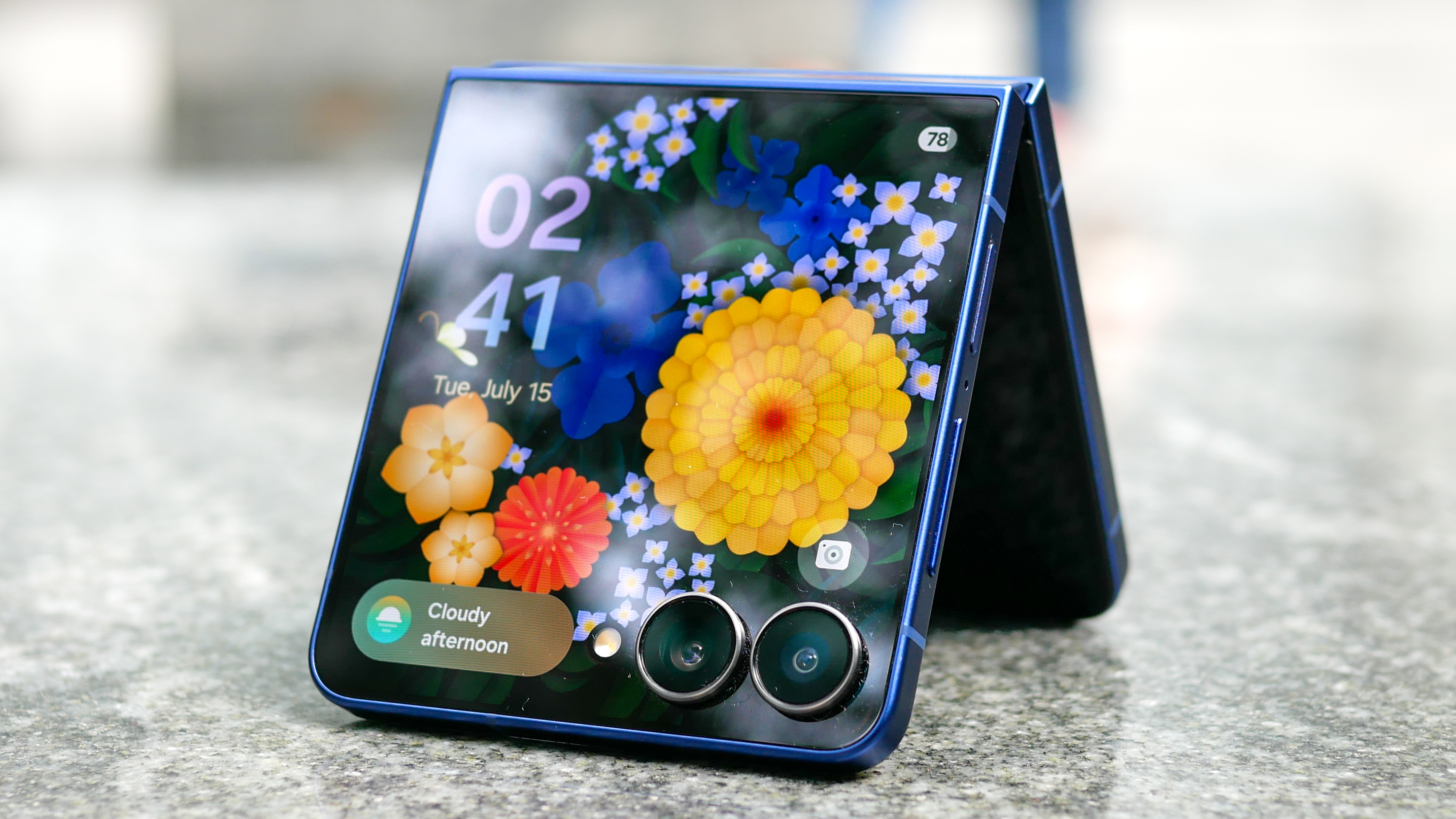
Today’s flagship devices—such as the iPhone 17 Pro Max, the Samsung Galaxy S26 Ultra, and the Google Pixel 10 Pro—represent different philosophies of what “perfect” looks like. Achieving perfection in 2026 requires a delicate balance of four critical pillars: Intelligent Autonomy, Visual Mastery, Sustainable Endurance, and Personal Security.
Intelligent Autonomy: The Phone as a Personal Assistant
The most significant leap in recent mobile technology is the transition from reactive devices to proactive assistants. In the past, you had to tell your phone what to do. Now, the perfect phone understands context. Through advanced on-device AI, contemporary smartphones can learn your routines with startling accuracy.
For instance, a perfect device recognizes when you are entering a work meeting and automatically silences non-essential notifications, or it suggests the most efficient transit route before you even ask. This is “Intelligent Autonomy.” It reduces cognitive load, allowing the user to focus on the task at hand while the phone manages the digital noise in the background. Features like real-time, two-way language translation and automated meeting summarization have turned the cell phone into a vital professional tool rather than just a communication device.
Visual Mastery: More Than Just Megapixels
While the hardware wars have plateaued, the “Perfect Cell Phone” must still deliver professional-grade imagery. However, the focus has shifted toward computational photography. It is no longer about having the largest sensor, but about how the phone’s “brain” processes the light it captures.
The current gold standard involves sophisticated AI that can reconstruct low-light images without the artificial “over-sharpened” look of previous years. The perfect camera system now offers a “fusion” approach—utilizing multiple lenses simultaneously to capture depth, color, and detail in a single shutter press. Whether it is the 200MP detail of the Galaxy S26 Ultra or the refined 48MP telephoto capabilities of the iPhone 17 Pro Max, the goal is the same: to make every user a professional photographer without requiring them to understand manual settings.
Sustainable Endurance: Power That Lasts
A phone cannot be perfect if it is tethered to a wall. In 2026, battery technology has finally begun to catch up with processing power. The perfect phone must comfortably provide two days of moderate use on a single charge.
We are seeing a move toward higher-density silicon-carbon batteries and more efficient vapor chamber cooling systems that prevent thermal throttling, which traditionally drains power. Furthermore, the “perfect” charging experience has evolved. It is no longer just about 60W or 100W wired speeds; it is about the “set and forget” convenience of Qi2 magnetic wireless charging and AI-driven charging cycles that preserve long-term battery health by slowing down the intake once the battery reaches 80% overnight.
Personal Security and the Privacy Display
As our phones hold more of our lives—from digital car keys to sensitive health data—security has become the ultimate feature. The perfect phone in 2026 prioritizes “Privacy by Design.” This includes specialized hardware like dedicated secure enclaves for biometric data and new innovations like the “Privacy Display.”
A Privacy Display uses specialized light-channeling technology to ensure that the screen’s content is only visible to the person directly in front of it. This prevents “visual hacking” in public spaces like airplanes or coffee shops. When combined with seven years of guaranteed security updates, the perfect phone is one that not only works well today but remains a secure fortress for the user’s data for nearly a decade.
Conclusion
The search for the perfect cell phone is ultimately a subjective journey. For the creative professional, perfection might be found in the stylus and massive screen of a flagship Android. For the minimalist, it might be a compact device that disappears into a pocket but packs enough AI to manage a busy schedule.
However, the industry-wide consensus in 2026 is clear: the perfect phone is the one that stays out of your way. It is a device that provides the right information at the right time, captures memories with breathtaking clarity, and keeps your private life truly private. We have moved past the era of mere gadgets; we are now in the era of the intelligent, indispensable partner. When a device can balance high-performance hardware with human-centric software, it finally earns the title of perfect.