In the modern digital era, we often think of “the cloud” as an ethereal, weightless entity that stores our photos, powers our streaming services, and manages our global financial transactions. However, the reality of the cloud is far more grounded and significantly hotter. Behind every website, application, and database lies a vast network of physical servers. Powerful computers that run 24 hours a day, 365 days a year.
One of the most critical challenges in managing these servers is not software bugs or network connectivity, but heat. Without an advanced and constant cooling strategy, a modern data center would cease to function within minutes. This article explores the scientific and practical reasons why cooling is the lifeblood of server infrastructure. And what happens when the temperature starts to rise.
The Physics of Computing: Electricity into Heat
To understand why servers need cooling, we must first look at what is happening inside the silicon chips. A server is essentially a massive collection of transistors—billions of tiny electronic switches that open and close to process data. As electricity flows through these circuits, it encounters resistance. According to the laws of thermodynamics, this electrical energy does not simply disappear; it is converted into thermal energy.
The more data a server processes, the more electricity it consumes, and consequently, the more heat it generates. In a high-density server rack, where dozens of powerful machines are stacked closely together, the amount of heat produced can be comparable to a small industrial furnace. If this heat is not actively removed, it creates a feedback loop where the components become so hot that they can no longer function reliably.
Isometric Data Center Infographic Concept With Engineers Server Management Maintenance Support Repai
Preventing Thermal Throttling and Physical Damage
The primary reason for cooling is the protection of the hardware itself. Modern Central Processing Units (CPUs) and Graphics Processing Units (GPUs) are designed with built-in safety mechanisms known as “thermal throttling.”
When a processor reaches a specific temperature threshold (usually around 90°C to 100°C), it automatically slows down its clock speed to reduce heat output. While this prevents the chip from melting, it causes a massive drop in performance. For a business, this means slower website loading times, lagging applications, and delayed data processing.
If temperatures continue to rise despite throttling, the system will eventually execute an emergency shutdown to prevent permanent physical damage. Extreme heat can cause “electromigration,” a process where the atoms in the microscopic circuits literally move out of place, leading to short circuits and the total failure of the processor. Cooling ensures that the hardware operates within its “sweet spot,” maintaining peak performance without risking a total hardware meltdown.
Maintaining Component Longevity and Reliability
Servers are expensive investments. A single high-end enterprise server can cost tens of thousands of dollars. Heat is the natural enemy of electronic longevity. The chemical and physical components within a server—such as capacitors and solder joints—degrade much faster when exposed to constant high temperatures.
Consistent cooling ensures a stable environment that minimizes “thermal expansion.” When materials heat up, they expand; when they cool down, they contract. If a server’s temperature fluctuates wildly, these tiny movements can cause microscopic cracks in the motherboard or loosen the connections of critical components. By maintaining a steady, cool temperature, data centers extend the lifespan of their equipment, ensuring a better return on investment and reducing the frequency of hardware replacements.
The Evolution of Cooling Technologies
Because heat management is so vital, the technology used to cool servers has evolved significantly. We have moved far beyond simple desk fans.
1. Air Cooling and Hot/Cold Aisle Containment
Traditional data centers use “precision air conditioning.” Servers are arranged in rows so that the front of the machines (the cold aisle) faces the air intake, while the back (the hot aisle) vents the heat away. Containment systems use physical barriers to ensure that the cold air and hot air never mix, maximizing the efficiency of the fans.
2. Liquid Cooling
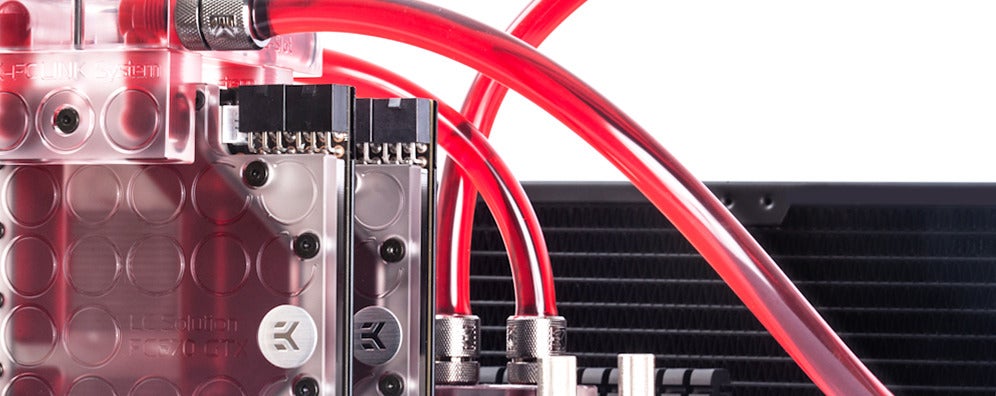
As AI and high-performance computing (HPC) demand more power, air is often no longer enough. Liquid cooling involves circulating a specialized coolant through blocks attached directly to the processors. Because liquid is much more efficient at absorbing and transporting heat than air, this allows for much higher server density in smaller spaces.
3. Immersion Cooling
The most cutting-edge method involves “immersion cooling,” where the entire server is submerged in a non-conductive, dielectric fluid. This fluid touches every component, removing heat directly from the source and eliminating the need for noisy, energy-consuming fans within the server itself.
Conclusion
In the world of information technology, heat is an invisible but relentless adversary. Cooling is not merely a luxury or an “add-on” feature; it is a fundamental requirement for the existence of the internet as we know it. By managing thermal energy, engineers ensure that our digital world remains fast, reliable, and secure.
As we look toward the future of computing—driven by massive AI models and complex simulations—the demand for even more efficient cooling will only grow. The next time you access a cloud-based app or stream a high-definition video, remember that somewhere, a sophisticated cooling system is working tirelessly to keep the silicon chips cool enough to make that digital magic possible. Without the science of cooling, the digital revolution would simply burn out.